

 English
 Indonesia
 עברית
עברית Español
 Català
 íslenska
 اردو
اردو Türkçe
 فارسی
فارسی Gaeilgenah Éireann
 suomi
suomi বাংলা
বাংলা

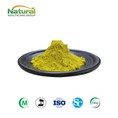

Hlavní součástiprášek z extraktu z růže are anthocyanins, polyphenolic acids, organic acids and flavonoids. It also contains protein, pectin, vitamins, amino acids and minerals. The content of vitamin C ( {{0}}. 14 mg·g - 1 ) and iron ( 0. 57 mg · g - 1 ) in calyx is also high, which is the material basis of its anti-anemia effect. This suggests that roselle seeds may have important food and industrial uses.

According to the search "worldwide.espacenet.com" (European Patent Office website), using the keyword "hibiscus sabdariffa", a total of 3 valid patents were retrieved. The content involves food processing (45.9 percent ), new drug research and development, pharmaceutical technology (29.7 percent ), cosmetics (8.1 percent ), planting and cultivation, storage production (8.1 percent ), health care products (8.1 percent ) ) . Countries involved China (62.2 percent ), EU (13.5 percent ), Mexico (8.1 percent ), South Korea (5.4 percent ), Vietnam (2.7 percent ), Japan (2.7 percent ), The United States (2.7 percent ), the Philippines (2.7 percent ).
Hibiscus Sabdariffa has a long history of traditional application abroad. In Egypt, the local people gather fresh calyx to make a brewed drink called "Cacody tea". In countries such as Sudan and Nicaragua, roselle calyx is boiled with sugar to make "Karkade" or "Zoborodo". In Mexico the roselle drink is called "Jamaica". In addition to this, roselle has been widely used to make herbal teas, hot drinks, fermented beverages, red wine, chewing gum, jelly candies, ice cream, chocolate, etc. It is used as coloring and flavoring additives in the food industry.
Rprášek extraktu z osellemá významné účinky na diurézu, chrání játra a ledviny, snižuje hladinu lipidů v krvi atd., spolu s dlouhou historií používání a bezpečnými a spolehlivými záznamy o používání je to léčivá rostlina, která si zaslouží-hloubkový výzkum a vývoj. A má také velký trh.